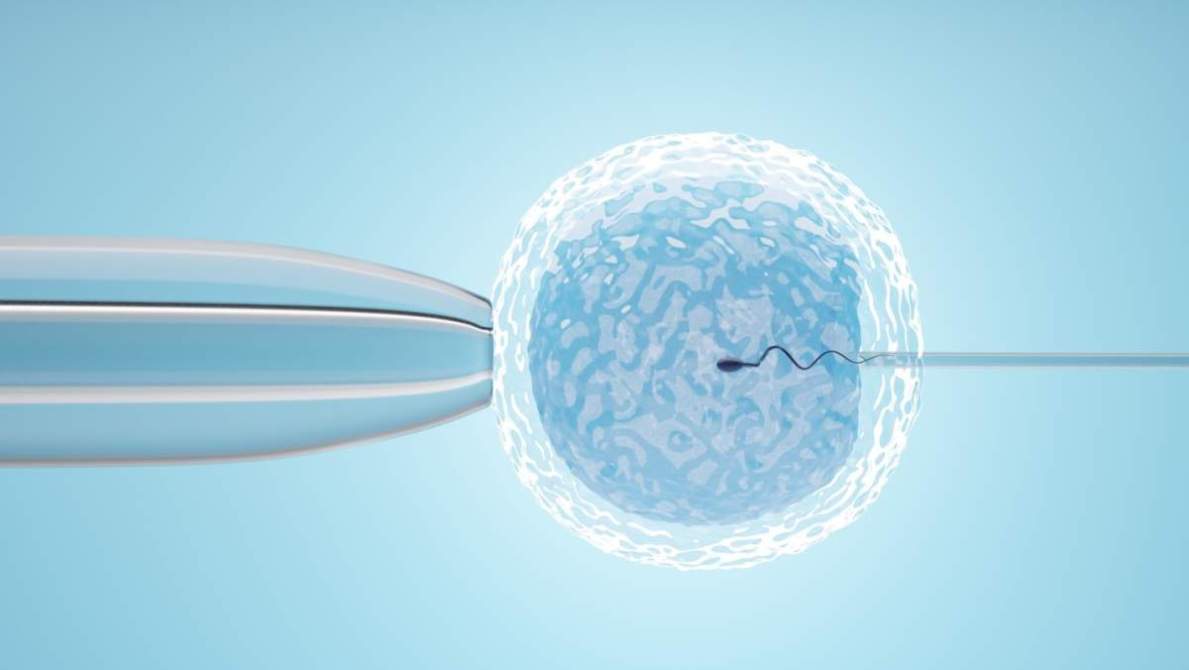
What is Preimplantation Genetic Testing (PGT) and how can PGT help you?

Preimplantation Genetic Testing (PGT) is performed in conjunction with an In Vitro Fertilization (IVF) cycle to test parts of the embryos genetics and to select embryos with the highest likelihood of resulting in a healthy on-going pregnancy.

1. Types of PGT?
2. Why Do PGT Testing?
3. How is PGT Performed?
4. Preimplantation Genetic Testing for Aneuploidy (PGT-A)
5. Preimplantation Genetic Testing for Monogenic Single Gene Defects (PGT-M)
6. Preimplantation Genetic Testing for Human Leukocyte Antigen (HLA) Matching (PGT-M-HLA)
7. Preimplantation Genetic Testing for Structural Rearrangements (PGT-SR)


1. Types of PGT?

There are various types of PGT available, depending on the requirements of the individual couples,

  • PGT-A (aneuploidy),
  • PGT-M (monogenic single gene disorders),
  • PGT-M (HLA) (a special subset of PGT-M for HLA Matching), and
  • PGT-SR (structural re-arrangements of chromosomes).

2. Why Do PGT Testing?

Chromosomes are the blueprints of our body and are important for healthy development. They are the structures in our cells that carry our genetic information (genes).

Chromosomal aneuploidy (wrong number of chromosomes) is the most common cause of miscarriage and implantation failure. Preimplantation Genetic Testing (PGT) is the only way to determine if an embryo is expected to be affected with chromosomal aneuploidy or a genetic condition prior to implantation and achieving a pregnancy.

So what are some of the reasons for doing PGT Testing?

  • Avoid embryos with chromosomal aneuploidy and thereby;
    • Improve Pregnancy Rates
    • Reduce Chances of Miscarriage
  • Provide an embryo of specific genetics (eg. certain sex)
  • Avoid embryos with a known familial genetic mutation and thereby avoid passing the familial disorder onto your children
  • Provide families with a child who is HLA-matched to an existing affected sibling.

At Superior A.R.T., it is our aim to provide families with the best chance of having a healthy baby. A team of IVF clinicians, nurses, scientists and support staff work to support you and your family along the IVF and PGT journey.

3. How is PGT Performed?

PGT is performed in conjunction with an IVF cycle. Following oocyte (egg) retrieval and fertilization, the embryos are cultured to be blastocysts (day 5 to 6 embryo), and a few cells are removed (biopsied) from the outer layer (trophectoderm) and are transferred to the Genetics laboratory at Superior A.R.T. for analysis. Superior A.R.T. genetic scientists have experience and expertise in the most current, state-of-the-art PGT techniques, offering the most accurate and comprehensive results.

4. Preimplantation Genetic Testing for Aneuploidy (PGT-A)

PGT-A determines if an embryo contains the normal number of chromosomes (euploid) prior to implantation and pregnancy. Transfer of a euploid embryo optimizes the success of an IVF cycle, increasing pregnancy rates and reducing the chance of miscarriage.

The indications for PGT-A include,

  • Advanced Maternal Age
  • Testing Previously Frozen Embryos
  • Repeated IVF Failures
  • Recurrent Pregnancy Loss
  • Require specific genetics or family balancing.

Superior A.R.T. offers testing for all 24 chromosomes, using Next-Generation Sequencing and state-of-the-art technologies with the capacity to test all the chromosomes.

5. Preimplantation Genetic Testing for Monogenic Single Gene Defects (PGT-M)

PGT-M tests for a specific known family genetic condition prior to implantation and pregnancy. These disorders can include autosomal dominant, autosomal recessive, and X-linked conditions. Doing PGT-M helps at-risk couples have a child free of their family’s genetic disorder. These single gene disorders are caused by an alteration (mutation) in a specific gene, and PGT-M is the only way to determine if an embryo is expected to be at risk of that genetic condition.

The indications for PGT-M include,

  • Couples with an individual or a family history of a genetic condition and therefore at risk of passing it on to their children
  • Families with a child affected by a disorder treatable by stem cell transplant. (see PGT-M (HLA))
  • Couples Identified to be carriers with a risk of having children with a genetic disorder

Superior A.R.T. has for more than 15 years been a premier provider of PGT-M in Asia. Superior A.R.T. can customize and develop novel tests as necessary, have never failed to provide a test for any known family genetic disorder, and have developed tests for more than 250 disorders. We can also perform testing for more than one single gene disorder and/or a chromosomal rearrangement on the same sample. An individualized family testing plan (“PGT-M Work-Up”) is developed for each couple, requires DNA samples from each partner and may require additional DNA samples from some family members selected according to a review of the family history.

PGT-M uses Next-Generation Sequencing, PCR based fragment analysis, and other state-of-the-art technologies such as Karyomapping. The choice of testing will depend on individual families and their disorder(s). Normally, PGT results are known within 10-14 business days.

6. Preimplantation Genetic Testing for Human Leukocyte Antigen (HLA) Matching (PGT-M-HLA)

PGT-M (HLA) is the same as for PGT-M except than in addition to testing for a specific genetic disorder, the testing also identifies embryos that are HLA compatible with an existing child affected with certain blood disorders, treatable by stem cell transplant. Cord blood can be collected at birth and stem cells harvested. These Allogeneic haematopoietic stem cell (HSC) through transplantation represents the only curative option for leukemia and certain other genetic and non-genetic disorders (eg. thalassemia). The PGT-M (HLA) Work-Up includes creating a DNA fingerprint of the affected child’s HLA region, and then determining if the HLA region in an embryo is the same or different.

Superior A.R.T. is recognized as a successful leader in PGT-M for HLA-Matching in Asia.

7. Preimplantation Genetic Testing for Structural Rearrangements (PGT-SR)

PGT-SR identifies structural chromosomal abnormalities caused by rearrangements, including translocations, inversions, deletions and duplications, prior to implantation and pregnancy.

Since, as previously stated, chromosomes are the blueprints of our body, the structures in our cells that carry our genetic information (genes), any re-arrangement, loss (deletion) or gain (Insertion), may cause failed implantation, miscarriage, or a child born with a disorder.

Typically, the couple has a previously identified translocation, inversion, or other chromosomal rearrangement, and these tests identify any chromosomal abnormalities in an embryo, prior to achievement of a pregnancy.

PGT-SR for chromosomal rearrangements uses Next-Generation Sequencing and other state-of-the-art technologies. The method detects not only unbalanced embryos, but also identifies aneuploid embryos. For smaller fragments, the development of a special tests may be required.

Conclusion

Superior A.R.T. is a recognized leader in Asia in the field of assisted reproductive technologies and Preimplantation Genetic Testing (PGT), providing assistance and successful healthy pregnancies for thousands of couples and families.


Global Methods of Sex Selection

Global Methods of Sex Selection | วิธีการเลือกเพศลูกมีกี่ประเภท? ทำความรู้จักวิธีการเลือกเพศลูกที่ได้รับความนิยมทั่วโลก

Global Methods of Sex Selection

Sex selection is used globally for a number of reasons. It may be for medical reasons, such as to avoid and prevent severe sex-linked diseases inherited in your family, or for non-medical reasons, such as to balance your family, to have another baby of the same sex as a deceased child, cultural values, etc. There are a variety of sex-selection methods, but which ones are effective, which are safe, which are reliable, etc.?

               In this article, Superior A.R.T., a leading fertility clinic, summarizes some information on some global methods for sex selection. These can be grouped into three types, Natural Methods, Sperm Sorting Methods, and Preimplantation Genetic testing Methods (PGT).

               Today, we’ve got the answers for you. Let’s find out.

  1. Natural Sex Selection Methods
  2. Sperm Sorting Methods
  3. The PGT (Preimplantation Genetic Testing) Method with IVF/ICSI

1. Natural Sex Selection Methods

Natural methods that rely on changes in the physical or physiological conditions, and include Shettles technique, Whelan Method, Billings Ovulation Method, pre-conception diet, and gender selection kits such as GenSelect and Smart Stork. They rely on timing of intercourse, the vaginal environment, changing diet, and ingestion of supplements.

  • Timing methods aim to affect the sex ratio of the resultant children by having sexual intercourse at specific times as related to ovulation. They also often require the woman keep ovulation tracking records.  They may also suggest certain sexual positions as having an effect on the selection of sex. Studies have not been consistent about whether timing methods have any influence on the sex of the baby, with some showing no correlation and others showing just the opposite. These methods include the Shettles Method, the Whelan Method, and the Babydust Method.
  • Dietary methods require, as its name suggests, that the mother, and perhaps the father as well, eats a certain diet for a period of time prior to before conception, and that it will play a very influential role in whether she will conceive a girl or a boy. These methods often combine the timing of intercourse with dietary changes. While several studies have concluded that the combination of maternal diet with timing of intercourse is capable of increasing the probability of conceiving a girl, other studies have been less conclusive. There is also no systematic guide to which foods and supplements to take.
  • Special Supplements methods, such as GenSelect, use specially-formulated “nutriceuticals” in combination with dietary guidelines for mothers and fathers, intercourse timing aids, and vaginal environment adjustment instructions. These are proprietary products.

2. Sperm Sorting Methods

These include sperm sorting by gradient (eg. Ericsson’s method), various other sperm sorting techniques, and MicroSort.

  • Sperm sorting by gradient

These methods rely on passing the sperm through a column containing a gradient of either various additives, or of varying concentrations. They rely on the small difference in mass between the X and the Y bearing sperm to influence how far the sperm will penetrate the next layer. The different layers become concentrated with sperm of one particular sex.

The Ericsson method uses higher concentrations of sperm of the desired sex to increase the likelihood of conceiving that sex. When used to increase the likelihood of a female child, studies have resulted in between 70% and 80% female children. When used to increase the likelihood of a male child, studies have resulted in between 50% to 75% male children

  • Other sperm sorting techniques

There are several other sperm sorting techniques, such as swim-up which relies on supposed difference in the speed at which X and the Y bearing sperm swim to concentrate the sperm. These methods lack any scientific support.

  • MicroSort

MicroSort is an advanced technique that sorts sperm “in vitro” by flow cytometry. Semen is labeled with a fluorescent dye. As the X chromosome is larger (i.e. has more DNA) it will absorb a greater amount of dye than its male (Y-chromosome bearing) counterpart. During flow cytometry, X spermatozoa fluoresce brighter than Y- spermatozoa, and this is used to separate them. It does not completely separate them and each sample is tested and a percentage concentration given. The technology was trialed on humans in the US and claimed up to a 90% success rate. However, it was banned for human use by the USFDA and the laboratories moved to other countries.

Although the natural sex selection methods are free and can bring a miracle to many couples and families from time to time, it is still undeniable that its success and certainty is almost impossible to predict.

3. The PGT (Preimplantation Genetic Testing) Method with IVF/ICSI

If now you are asking then what is the most effective, reliable, and safest sex-selection technique, then the answer is PGT or Preimplantation Genetic Testing together with IVF.

Preimplantation Genetic Testing is a technique used to identify known family genetic disorders and/or general chromosomal defects in embryos created through an In Vitro Fertilization (IVF) cycle. Eggs are fertilized with the partner’s sperm and grown in culture until day 5 or day 6 “blastocyst” stage. A few cells are biopsied from each embryo and can be tested using advanced genetic techniques such as Next Generation Sequencing (NGS).

This method accurately detects the embryos chromosomal complement including the sex chromosomes and therefore the embryo’s sex.

The method is not only very reliable and accurate, it also allows only the transfer of an embryo with a normal chromosomal number, the healthiest embryo, and therefore healthier pregnancies and less risk of defects in the fetus or the newborn baby.

However, because the PGT Method with IVF is the most expensive approach of all, many couples often opt for one of the other cheaper options instead. You should still always consult with a specific IVF clinic of your choice, as many may offer a discount, a promotion, or a special package that could be very affordable to you.

Summary

While the natural sex selection methods are by far the simplest and cheapest (many free of charge), and may be most suitable for couples who are just simply enjoying the idea of maybe getting a boy over a girl or a girl over a boy, their unpredictability and uncertainty makes them unsuitable if you are seriously only wanting to conceive a child of a specific sex (eg. to prevent passing on your sex-linked genetic disease). In that case, only the assisted techniques are recommended, and the only truly accurate way is with using the PGT with IVF Method.

Additionally, if you have tried every natural way to get pregnant or to conceive a child for more than 1 year already, it is also a sign to start thinking about more advanced assisted approaches such as IVF/ICSI.  In Vitro Fertilization (IVF) is by far one of the world’s most proven and effective infertility treatments. For more information on what IVF is or what steps it includes, you can read it here.


About Superior A.R.T.

Superior A.R.T. was founded in 2007 by a group of leading Thai Infertility specialists in collaboration with Australian world leading fertility and A.R.T. treatment providers. Superior A.R.T is a renowned fertility clinic offering comprehensive fertility, IVF, IUI, ICSI, Egg Freezing, PGT, and genetic services by a team of experienced treatment providers and researchers specifically specializing in Assisted Reproduction Technology – A.R.T. Superior A.R.T. is committed to making your dream of having a healthy baby come true.

How to Find the best IVF Clinic: The 8 Most Important Factors to Consider

With so many IVF clinics to consider and choose from, you are probably wondering where you should start in finding the clinic best for you. You may have many questions on your mind e.g., what is a suitable IVF clinic, what factors should I consider, and which IVF clinic has the best reputation?

                    Of course, how you really feel about a clinic or its doctor will depend on your actual experience, you feelings while consulting and counseling with the doctors at the staff at the clinic. However, if you have prepared yourself,  equipped yourself with a checklist of what you should be looking for, then you are likely to have made the correct choice Here is our practical, fundamental guide to assist you to narrow down your choices when choosing what IVF clinic is best for you.

  1. Location and Environment

Where is the IVF clinic located? Is travelling there easy, convenient, safe, and suitable for your work or life schedule? IVF is a process that requires much dedication, time, and efforts from the patients, and you may need to visit the clinic frequently during the stimulation and monitoring process. For example, in the case of Thailand, if not travelling by car or taxi in order to avoid traffic delays, is the clinic located near any BTS or MRT station? Our clinic is located right in the heart of Bangkok and is only 15-minute walk from BTS Ploen Chit station and Central Embassy.

For patients who are travelling from abroad, then the dedication, time and effort is even more. At our clinic, patients who are from abroad may in most circumstances start the stimulation and monitoring with one of our affiliated doctors, or with a doctor of their own choosing, in their home country, then come to Bangkok only for the trigger injection and egg retrieval, shortening their stay to only about 4-8 days.

Apart from the transportation, it is also always wise to visit the clinic and assess its environment. Does the clinic’s atmosphere make you feel safe and comfortable, is it clean, does it make you feel relaxed while being there? These little things at the clinic can make the IVF process feel comfortable and relaxed for the patients

  • The Types and Variety of Treatments Offered

IVF is so far from merely the process of traditional IVF. A variety of infertility and genetic factors in the male and/or the female, may require other additional treatments and services in order to provide the best possible outcomes. Where your infertility issues are not severe, the doctors may advise you to try IUI first before proceeding with IVF. You may need ICSI instead of the traditional IVF for your fertilization, or the male may require PES/TESE to extract sperm, or Sperm MACS or PICSI to select the few good sperm? During the IVF cycle, you may also need a clinic which provides egg freezing to save your retrieved eggs for later use? After the IVF cycle, you will most likely to need a clinic which provides embryo freezing  to preserve your good embryos for later use. A good IVF clinic may also provide PGT services, genetic testing of embryos prior to transfer to the woman’s uterus, where patients require genetic screening of their embryos for a variety of reasons.

It boils down to basically that the clinics range of assisted reproductive services indicate how likely it will be that the clinic can support your needs through every step of your fertility treatment journey.

  • Cost and Affordability

Although most couples seeking IVF treatment are already aware that IVF is generally quite costly, it is still always wise to spend some time researching costs and searching for a clinic with a reputation of no hidden costs, that is open about the range of expenses, that will take time to explain the potential costs and the reasons why certain treatments may be suggested or recommended. Packages can be confusing and misleading, does the clinic take time to explain both what is included in any package, and what is not included?

  • Credentials and Success Rates

Every fertility clinic keeps their statistics, and if the clinics are transparent, trustworthy, and promising enough, they will be more than happy to show you how well they have been doing. Choosing a clinic with good success rates is always better than choosing one with a relatively poor record. Nevertheless, as HFEA (Human Fertilization & Embryology Authority) said, “if you’re comparing two or more clinics, you may want to consider the multiple other variables (cost, location, patient ratings) to find a clinic that meets all your needs and expectations rather than deciding on success rates alone.”

  • Equipment and Technologies

The chances of success in IVF go hand in hand with how much and how well a clinic invests in the quality of its equipment and in advances in technologies. The key is not just to solely focus on how “advanced,” “cutting-edge” or “latest” certain technology advertised by a clinic, but rather is it effective and suitable for your case? Many IVF clinics will promote how their latest technologies are, but their basic core functions and services are just as important, and so is the quality of the staff using the equipment.

At Superior A.R.T., we have our own onsite Embryology, Andrology, and Genetic laboratories, using the highest international standards in quality control. We use the Geri-Time-Lapse Incubator, the newest generation of time lapse incubators available, with a single high quality microscope camera system dedicated to each culture chamber, thus allowing detailed tracking of embryo development without the need for the plate or the embryos having to move. Each chamber is independently controlled and monitored, providing individualized, optimal culture conditions. The use of mini incubators increased the pregnancy rates as embryos have more stable conditions in which to develop. This technology is very critical and crucial to the process of embryo culture in IVF as embryos that can be transferred in the final step of IVF are required to reach the blastocyst stage. At Superior A.R.T., we also use Karyomapping, the latest technology for preimplantation genetic testing for monogenic disorders and HLA Matching. Karyomapping only requires days to a few weeks to complete a test workup, unlike other PGT-M tests which usually take months to finish, Karyomapping is considered highly accurate, with a greater than 95% reliability.

  • Qualifications and Experiences of Doctors

The qualifications and experience of the doctors at each IVF clinic will likely to be a major part of your decision-making. Do the doctors have the highest training possible in infertility and reproduction? Though it seems to have a fixed set of steps, IVF treatment can require very subtle changes between patients to achieve the best result. A good IVF clinic should design a personalized treatment plan for each patient. Each patients response to medications is different, and the process of stimulation and egg retrieval needs to be closely monitored to avoid any complications. Making an appointment and talking to the doctor in person may give you a better understanding whether it is the right IVF clinic for you. If he or she is a good infertility clinician, it will usually not take long to be obvious.

  • Quality of the Staff

While the doctor will play a big part in your clinical experience and journey, the fertility team of a clinic will also play a huge role in your IVF cycle. You will likely work with the clinic for a few weeks, with many questions and issues requiring someone at the clinic to help you. Do the staff take time to answer your questions? Are they courteous and helpful to you? Do you feel comfortable with them, or do you feel quite stressed or, in the worst case, neglected?  

Are the scientists experienced and fully trained? Is there ongoing training, competency checks, etc. Have the management of the laboratories had lengthy experience? Is there any scientific literature to indicate that experience? Do they engage in knowledge sharing and quality assurance testing?

  • Reviews

Nothing can you help you visualize better any service you haven’t yet experienced, than the reviews of other patients who have been through the journey already. This may be difficult if the clinic has no referrals or testimonials for you to review, although you may be able to find some on social media. Try visiting a clinic’s Facebook page and see how others react to their posts or comment on their treatments or services. Many good IVF clinics also often share the success journey of some of their patients as well. So, take time to do some research on it. However, it is important to note that reviews can also be very subjective. So, it is always wise and best to take every factor into consideration – especially by seeing, experiencing, and assessing the doctors and the clinic via a call or by an in-person meeting.

With all these factors in mind, we truly believe that you will be able to narrow down your choices for an  IVF clinic  that best suits all of your requirements.

About Superior A.R.T.

Superior A.R.T offers comprehensive fertility and genetic services in state-of-the-art Assisted Reproduction Technology (A.R.T.) Laboratories in Bangkok Thailand. Superior A.R.T. was founded in 2007 by a group of leading Thai Infertility specialists in collaboration with Australian world-leading fertility and A.R.T. treatment providers, Superior A.R.T is a renowned fertility clinic offering comprehensive fertility and genetic services by a team of experienced treatment providers and researchers specifically specializing in Assisted Reproduction Technology – A.R.T. Superior A.R.T. is committed to making your dream of having a healthy baby come true.

References

  • https://www.verywellfamily.com/finding-the-best-fertility-clinic-for-you-1959957
  • https://www.webmd.com/infertility-and-reproduction/guide/choosing-a-fertility-clinic
  • https://www.hfea.gov.uk/choose-a-clinic/finding-the-best-fertility-clinic-for-you/

Twins in IVF: Understanding Multiple Pregnancies in IVF

A multiple pregnancy occurs when more than one embryo implants in the uterus lining and develops (dizygotic or fraternal twins), or when an embryo splits and two fetuses grow from the one embryo (monozygotic or identical twins). This can happen naturally or by an Assisted Reproductive Technology procedures such as IVF

Today, we will help you learn more about multiple pregnancies in IVF. Can’t wait to begin? Let’s get started.

How does a multiple pregnancy occur in IVF?

In IVF, a multiple pregnancy can occur when multiple embryos are selected and transferred back into a woman’s uterus. The multiple (instead of single) embryo transfer can lead to the implantation of more than one embryo in the woman’s uterus and cause a twin or multiple pregnancy. 

How likely is for one to have a multiple pregnancy in IVF? 

The chances for each woman to have a multiple pregnancy in IVF can vary depending on a variety of factors including a number of embryos she agrees to be transferred, her age, and her underlying cause(s) of infertility. The higher number of embryos transferred the more likely a multiple pregnancy, and the chance is increased the younger the woman is. One study shows that multiple-birth rates can be as high as 45.7% for women aged 20 to 29 years, while among women aged 40 to 44 years, the multiple-birth rate was less than 25% even with 5 embryos transferred. Direct consultation with your IVF doctor will help you more precisely and accurately know and understand your chances of a multiple pregnancy from IVF.

What should I do if I want to have a multiple pregnancy in IVF?

Having a multiple pregnancy in IVF is possible but is not without a string of major concerns. For couples who are considering having twins or multiple babies via IVF, we recommend you learn about the possible issues/complications of having a multiple pregnancy in IVF and directly consult with your IVF doctor. Some of the most common major issues from having a multiple pregnancy in IVF include:

  • The natural medical risks of a multiple pregnancy: There are many major complications including premature birth, low-birth weight, and in the worst case, fetal/infant death. The premature birth and low-birth weight can cause severe health issues in both long and short term to your babies and often require your babies to be cared in a neonatal intensive care unit (NICU) for a long time before being able to be taken home, which can be exhausting to you and your partner both emotionally and financially. Almost everything that can go wrong in a pregnancy, for both mother and foetus, is increased by a multiple pregnancy. 
  • The high cost of IVF and its emotional and physical turmoil: IVF is a special medical treatment, meaning it is costly and is emotionally and physically dedication, especially for a female partner who will have to go through every step of IVF starting from an ovarian stimulation to an embryo transfer. In addition, it is always important to note that one IVF cycle does not guarantee success and may require you to try again and again to finally achieve a pregnancy. So, if your only requirement for IVF is to try and get a multiple pregnancy then perhaps you should re-consider.

What should I do if I want to avoid having a multiple pregnancy in IVF?

To reduce your chances of having a twin or multiple pregnancy, you can opt for transferring only a single embryo at a time.

In the past, many IVF doctors would try to transfer as many embryos back into a woman’s uterus as possible to maximize the chance of pregnancy. But today, with advanced embryo culture techniques and other technologies available, such as Blastocyst Culture, Mini-Incubators, etc., a single embryo transfer has an impressively good success rate and less risk of all complications. To find out more about our blastocyst culture technology here. 

In addition, if you choose to transfer only one embryo, you still have the option to freeze and preserve those remaining embryos for later use. In the embryo freezing process, using Vitrification technique, your embryos will be frozen ultra-rapidly, so that the water molecules don’t have time to form ice crystals, and then the embryos are held in deep frozen storage. This storage, if in a high-quality, well-maintained laboratory with consistent, regular quality control and monitoring of the liquid nitrogen and the equipment, results in long-lasting, high-quality preservation of your embryos indefinitely. When you would like to get pregnant you don’t have to start your IVF cycle all over again, you can proceed by using a frozen embryo in a process commonly known as a Frozen Thaw Embryo Transfer (FET)

At Superior A.R.T. we have a “single blastocyst transfer” policy. That is, we recommend transferring a single blastocyst embryo, and will only transfer a maximum of two embryos where the doctor has assessed the patients’ medical condition and found them suitable.

One final question, can a single embryo transfer results in a multiple pregnancy? 

Though occurring rarely, such an incident is possible and is not a complication from IVF but rather another form of twin/multiple conception. In this conception form, instead of coming from two separate fertilized eggs, your twins were born from only one fertilized egg (a single embryo transfer). It was somehow divided or split into two embryos during its cell division process and proceeded to develop into two fetuses, commonly known as identical twins. Because coming from one fertilized egg, identical twins, therefore, share all of their genes, are the same sex, and often look exactly alike. 

About Superior A.R.T.

Superior A.R.T offers comprehensive fertility and genetic services in state-of-the-art Assisted Reproduction Technology (A.R.T.) Laboratories in Bangkok Thailand. Superior A.R.T. was founded in 2007 by a group of leading Thai Infertility specialists in collaboration with Australian world-leading fertility and A.R.T. treatment providers, Superior A.R.T is a renowned fertility clinic offering comprehensive fertility and genetic services by a team of experienced treatment providers and researchers specifically specializing in Assisted Reproduction Technology – A.R.T. Superior A.R.T. is committed to making your dream of having a healthy baby come true.

References

Sex Selection to Prevent Sex-Linked Disorders: The Most Common Disorders and Prevention Strategies

Sex selection, often wrongly termed gender selection, is a process in which doctors and patients (couples/parents-to-be) are legally and ethically permitted to use IVF and associated ART techniques to select an embryo of a certain sex for transfer because of medical reasons

The most common medical reason to perform sex selection is to help parents from passing on their sex-linked disorders to their children. A sex-linked disorder is a common genetic disorder caused by or linked to gene(s) located on either of the sex chromosomes (X or Y).

There are hundreds of genes located on the X chromosome, however the Y chromosome is much smaller than the X chromosome and thus, carries relatively far fewer genes.

Disorders on the Y-Chromosome, such as Hypertrichosis of the ears, webbed toes, or porcupine man, can only be transmitted from father to son, since all male children will get the fathers Y chromosome, and all female children will get the fathers X chromosome. So, to avoid a Y-chromosome disorder then the solution is simple sex selection for a female child. 

Inheritance for disorders on the X-chromosome is much more complicated. The inheritance can happen in either a dominant or a recessive manner, dependent upon the disorder and the sex of the child.  

If on the fathers X-chromosome then likely the father will be affected, and that all his male children will be unaffected (they get his Y chromosome) and all female children will be carriers. So, where the father is a carrier on either chromosome X or Y, simple sex selection will remove the disorder (for a boy if the disorder is on the fathers’ X-chromosome, and for a girl if it is on the fathers Y-Chromosome).

If on one of the mother’s X-chromosomes, then;

  1. 50% of male children will be affected, and 50% of male children will be unaffected
  2. 50% of female children will be unaffected, and 50% of female children will be carriers
  3. Further complicated for female carriers, where for some disorders they will be dominant carriers and affected, and for other disorders they will be recessive carriers and unaffected.

In this article, we will walk you through some of the most common X-linked genetic disorders and what you can do to protect your child from inheriting it.

The 5 Most Common X-Linked Genetic Disorders

1. Fragile-X Syndrome

Fragile X syndrome (FXS) is the most common form of inherited intellectual and development disability. The disorder mainly causes intellectual disability or a condition in which there are limits to a person’s ability to learn at an expected level and function in daily life. However, many times it also triggers various behavioral and medical issues including hyperactivity, hand flapping, hand biting, temper tantrums, and autism. 

The disorder is inherited in an X-linked dominant pattern, meaning basically it can affect both males and females (“dominant”) but will affect males more severely than females because females have another X chromosome to offset the damaged X (XX), while males have only one X chromosome (XY) no backup, and the symptom is fully and severely expressed. 

2. Duchenne Muscular Dystrophy

Duchenne muscular dystrophy (DMD) is a rare muscle disorder, but it is one of the most common and most severe genetic conditions in children. Duchene is caused by a mutation in the DMD gene on the X-Chromosome. This mutation prevents the body from producing dystrophin, a protein that muscles needs to work properly. Without dystrophin, almost every muscle cell become damaged and weakened, and will deteriorate over time to the point where children will usually end up needing assisted ventilation and face premature death. The disorder is a multi-systemic condition, meaning if affects many parts of the body, whether it be the skeletal, heart or lung muscles.

The disorder is inherited in an X-linked recessive pattern, meaning basically that it will usually only affect males, with females only a “carrier.” The word “recessive” refers to a situation where a mutation would have to occur in both copies of the gene to cause the disorder, and because it is unlikely that a female will have two altered copies of such a gene, she will usually at worst end up being a carrier.

  1. Hemophilia 

Hemophilia is an inherited bleeding disorder in which blood does not clot normally when there is a wound or injury, causing one to bleed longer than other people. The bleeding can occur internally, within joints and muscles, or externally, from minor cuts, dental procedures, or injuries. According to the Centre for Disease Control and Prevention (CDC), “Hemophilia occurs in about 1 out of every 5,000 male births” and “death can occur if the bleeding cannot be stopped or if it occurs in a vital organ such as the brain.”

Like DMD, Hemophilia is inherited in an X-linked recessive pattern, meaning basically that it will usually only affect males, while females are only a “carrier.” 

  1. Red-Green Color Blindness

Red-green color blindness, also known as deuteranopia, is the most common type of color deficiency. People with red-green color blindness find it hard to tell the difference between red and green and their whole color spectrum is then often affected. 

Like DMD and Hemophilia, red-green color blindness is inherited in an X-linked recessive pattern, meaning basically that it will usually only affect males, while females are only a “carrier.” 

  1. X-Linked Agammaglobulinemia 

X-linked agammaglobulinemia, or XLA, is a genetic immune system disorder. Children born with XLA have very few B cells, which are crucial white blood cells to protect their body against infections. This results in infections taking longer to get cured and often recurring even with antibiotic medications. Individuals with XLA are more susceptible to infections because their body makes very few antibodies. The most common bacterial infections that occur in people with XLA include lung infections (pneumonia and bronchitis), ear infections (otitis), pink eye (conjunctivitis), sinus infections (sinusitis) and chronic diarrhea. Recurrent infections can lead to organ damage.

The disorder is inherited in an X-linked recessive pattern, meaning basically that it will usually only affect males, while females are only a “carrier.” 

Treatment Approaches: IVF, PGT-M, PGT-A for Sex Selection

Most of sex-linked genetic disorders are incurable, but they are certainly preventable. 

For disorders carried by the father, we can use IVF together with Pre-implantation Genetic Testing for aneuploidy (PGT-A), to choose a euploid (correct number of chromosomes) of the right sex. So, where the father is a carrier on either chromosome X or Y, simple sex selection will remove the disorder (for a boy if the disorder is on the fathers’ X-chromosome, and for a girl if it is on the fathers Y-Chromosome).

For disorders carried by the mother, we can use IVF together with Pre-implantation Genetic Testing for monogenetic disorders (PGT-M), to select and transfer only an embryo or embryos that are free or unaffected by your hereditary condition. For X-linked recessive conditions that also allows transfer of female carriers, while for X-linked dominant conditions female carriers cannot be transferred. PGT-M (previously known as PGD) is an early genetic diagnosis test for embryos produced during IVF, prior to their transfer to the uterus. At Superior A.R.T, we use Karyomappping, the latest technology for PGT-M which requires only 1-3 weeks to complete a test workup, unlike other PGT-M tests that usually take months to finish, and has reported higher reliability and accuracy. With Karyomappping, DNA fingerprints of embryos and family members will be compared to determine which embryos are free from the disorder. To learn more about our unique PGT-M and Karyomappping, click here.

References

  • https://www.genome.gov/Genetic-Disorders/Fragile-X-Syndrome
  • https://www.cdc.gov/ncbddd/childdevelopment/facts-about-intellectual-disability.html
  • https://www.genome.gov/Genetic-Disorders/Duchenne-Muscular-Dystrophy
  • https://www.nature.com/articles/s41572-021-00248-3
  • https://www.cdc.gov/ncbddd/hemophilia/facts.html
  • https://www.healthline.com/health/deuteranopia#:~:text=Also%20known%20as%20deuteranopia%2C%20this,red%2C%20green%2C%20and%20yellow.
  • https://medlineplus.gov/genetics/condition/x-linked-agammaglobulinemia/#inheritance
  • https://thaisuperiorart.com/assisted-reproductive-technology/pgt/pgt-m/

A Simple, Step-by-Step Guide to the IUI Process

In a previous article, we discussed IUI (Intrauterine Insemination), the relatively simple and affordable procedure, including what IUI is, when IUI is usually used, how safe is IUI, and how IUI works (read our introductory article about IUI here).

In this article, we will walk you through the whole procedure once again, but in step-by-step detail to help you better understand and prepare for your visit to our clinic. Can’t wait to start? Let’s begin.

  1. Your First Consultation 

When: Whenever you are ready to have an appointment

How long: 30-45 minutes 

Prior to any procedure, the first important step is for you  to consult with a fertility doctor at a reputable and experienced fertility clinic. Depending on your underlying causes of infertility, your doctor may ask the female to undergo some tests, such as an examination of your uterus and fallopian tubes, a hormonal evaluation, and other tests that may be necessary, and for the male to undertake a semen analysis. The goal of this first consultation is for your doctor to examine and review your overall physical condition and help you to decide if IUI is the best option for you. Patients with severe infertility may find IUI less effective than patients with mild infertility causes. 

This first session is also your opportunity to discuss your concerns about IUI, the process, the cost, and anything else you wanted to know. Use this opportunity to be comfortable and satisfied with the doctor, the clinic, and the options. A trustworthy fertility clinic and an experienced doctor should make you feel that you are in good and reliable hands, and that you can be certain that whatever you encounter, he or she will be able to advise the most proper and suitable solution with experience, competency, and knowledge.

  1. Ovarian Stimulation 

When: Day 2 or day 3 of your period

How long: 10 – 12 days

Once you have done your fertility assessments and decided to proceed, the first step of IUI is to decide on whether a natural cycle or a stimulated cycle is required. We may have to provide a level of stimulation to your ovaries to ensure you have a follicle to ovulate. Whether natural or stimulated, we will monitor the cycle and to determine the timing of the IUI.

Any stimulation drugs can be either injectable, oral, or combined, depending on the doctor’s evaluation of your physical and ovarian condition. During this time, you will be asked to come to the clinic every few days for around 9 to 12 days for blood tests and ultrasounds. The goal for the visits is to monitor how your ovaries are responding, how much your follicles or your eggs have grown, to adjust any medications if necessary, and to time the IUI procedure. You and your partner may be asked to abstain from a sexual intercourse or ejaculation for a few days prior to the IUI procedure.

Once a follicle is at least 18-20mm, and the uterine lining is at least 7mm, a “trigger shot” can be given to trigger ovulation. The IUI is scheduled for about 36 hours after the trigger medication is injected.

  1. IUI Process

When: 36 – 42 hours after a trigger shot

How long: 15-20 minutes 

36 – 42 hours after your trigger shot, you and your male partner will return to the clinic to finally begin the IUI process. During this stage, your male partner will provide a semen sample. Masturbation is the recommended method for semen collection as it will lower the chance of bacterial contamination which might be found in any bodily fluids. The sample will immediately be taken to the laboratory, left for 30 minutes to liquefy and then washed to remove debris, immobile sperm, and substances in the semen that can irritate your uterus or kill the egg. The highly concentrated sample of healthy sperm also increases the chance of achieving pregnancy. 

Once the sperm are washed and ready, your doctor will begin the final minor surgical procedure for IUI, starting by using a speculum to gently open your vagina and visualize your cervix. Once the vision is clear, your doctor will inject the sperm sample into your uterus using a long, thin, soft tube so that the sperm can swim into the fallopian tube allowing it to easily meet and fertilize the ovulated egg(s). The whole process is relatively painless, needs no anesthesia, and takes only 5-10 minutes to finish. After the IUI procedure is complete, you will need to lay down and take rest for around 30 minutes before being discharged.

  1. Pregnancy Test

When: 14 days after the IUI procedure

How long: 2-3 minutes 
About 14 days after the IUI procedure, you can take a pregnancy test at home or at the clinic. The doctor may ask you to come back to the clinic for a blood test to detect the level of the pregnancy hormones. If the first IUI cycle is not successful, don’t be discouraged yet. You can try again for up to 3-4 rounds or, in some cases, up to 6 rounds depending on how young you are. If after 4 – 6 rounds, pregnancy still doesn’t occur, your doctor may suggest you to consider other treatment options such as IVF or ICSI. After IUI, you can continue normal daily activities including sexual intercourse.

Superior A.R.T. is committed to making your dream of having a healthy baby come true.

References

  • https://www.fertilityanswers.com/how-many-iuis-should-you-do-before-moving-on/#:~:text=For%20women%20under%2035%2C%20our,a%20profound%20impact%20on%20fertility
  • https://www.healthline.com/health/intrauterine-insemination-iui#procedure
  • https://thaisuperiorart.com/news-and-articles/4030/

A Simple, Step-by-Step Guide to the ICSI Process

In a previous article, we have discussed ICSI (Intracytoplasmic Sperm Injection), an adjunct fertilization procedure widely used in the In Vitro Fertilization (IVF) process. We learned how IVF and ICSI has helped millions of couples overcome their infertility issues and discussed what is ICSI, when should ICSI be used, how safe is ICSI, and how ICSI is done (read our introductory article of ICSI here).

In this article, we will walk you through the whole procedure once again, but in more detail to help you understand, and better prepared, for your visit to our clinic. Can’t wait to start? Let’s begin.

A Short Recap: What is ICSI? How Is It Different from Standard IVF Fertilization?

In Vitro Fertilization (IVF) is an assisted reproductive technique used to help couples who cannot conceive through natural reproduction.

In standard IVF, a woman’s eggs and her partner’s sperm are retrieved and mixed together in a laboratory dish to achieve fertilization. Once fertilized, they are known as “embryos”, and are cultured for 5-6 days to become “blastocysts” before being transferred back into the woman’s uterus and hopefully develop into a baby.

The ICSI process follows all the same steps of standard IVF except when it comes to fertilization. Instead of letting a number of sperm combine with an egg in a laboratory dish, in ICSI a single washed and healthy sperm is selected, picked-up and then injected directly into a mature egg. Using a direct injection avoids problems with sperm impaired motility, cervix issues, etc., and results in a higher chance of successful fertilization in couples who had failed to conceive after using standard IVF or have severe infertility issues.

The Process of ICSI


1. Starting Phase

When: Whenever you can get an appointment

How long: 45 – 60 minutes

To begin the process, the female will have to undergo extensive fertility testing, including an examination of your uterus and fallopian tubes, a hormonal assessment, and any other tests that may be required.  In addition, the male will undertake a semen analysis. Having reviewed your test results, your doctor can better understand your health condition and can advise a treatment plan which is right for you.

At this point, you will also be informed about everything you need to know regarding your treatment cycle, including how to administer your daily hormone injections at home, and instructions about any other medications you may be prescribed for your ovarian stimulation.

2. Ovarian Stimulation Phase

When: Day 2 or 3 of your period 

How long: 10 – 12 days

Once you have had your fertility assessment and consult, have learned about your ICSI cycle, and have decided to undergo the ICSI procedure, you will begin the first step of the process, the Ovarian Stimulation Phase.  In this crucial stage, you will stimulate your ovaries to produce as many follicles, egg containing vesicles on your ovary, as possible by administering hormonal drugs starting on day 2 or day 3 of your period and daily for 9-12 days.

There are hundreds of thousands of ovarian follicles on your ovaries, each containing one oocyte (an immature egg). During your normal menstrual cycle, several of these follicles will start to grow and develop, with usually only one proceeding to produce a mature egg. The goal is to have all of the developing follicles proceed to having a mature egg, which can then be retrieved, and give you the highest chance of success

Throughout this phase, your doctor will monitor how your ovaries are responding to the hormonal medications. You will be asked to come into the clinic every few days during the 9 to 12 days of stimulation, for blood tests and ultrasounds. Using these results the doctor may modify your treatment plan and medications. Once the test results show that your eggs have fully matured, your doctor will administer the “trigger injection”, a hormone (usually either human chorionic gonadotropin; hCG, or leuprolide acetate; Lupron) to prepare the eggs for ovulation, allowing your eggs to be released from the wall of the follicles, so that the doctor can do the egg retrieval process.

3. Egg Retrieval and Semen Collection

When: 36 hours after the “trigger injection”

How long: 1 – 2 hours

36 hours after your trigger shot, your eggs will be retrieved through a minor surgical procedure to aspirate your follicles. The doctor will use ultrasound imaging to guide a thin needle through your pelvic cavity to remove or retrieve your eggs. The procedure will be done under general anesthesia to keep the process comfortable and painless. The whole process usually takes only 15-20 minutes.

On the same day that your eggs are being retrieved, your partner’s semen will also be collected. Usually, your physician will prefer your male partner to collect his semen fresh at the clinic, but if he cannot come to the clinic on that day, he may collect the semen sample on a day prior to the egg retrieval and have the washed sperm frozen.

Semen collection by masturbation is recommended to avoid contact with any bodily fluids from the male or the female partner (i.e., saliva, vaginal fluids). These fluids may contain bacteria which could contaminate the fertilization or culture media. After he collects his sample, the male partner will return the sample through a window to a specialist waiting in the Andrology Laboratory which is situated next to the collection room.

The collected semen will be left for about 30 minutes to liquefy, and then washed to remove debris, immobile sperm, and other substances in the semen, before being thoroughly examined for its quality in a process called semen analysis. This semen analysis is important as it will help your physician to best decide if your eggs and your partner’s sperm are to be fertilized by a standard fertilization IVF or an advanced fertilization ICSI method. If the semen sample is normal, the standard fertilization IVF is chosen.  But if the semen analysis results are lower than average, your physician may advise you to choose the second alternative fertilization ICSI technique, as it increases the chance of that fertilization will occur. 

For the IVF technique, the eggs and sperm are mixed together and allowed to fertilize on their own in a laboratory dish, whereas for ICSI technique, a single healthy sperm is specially selected and injected directly into a mature egg to achieve fertilization. ICSI normally takes a longer time and requires an experienced fertility scientist.

Once fertilization occurs, the fertilized eggs are considered as embryos.

4. ICSI Fertilization

  1. When: after egg retrieval and semen collection

How long: 24 hours
If it is confirmed and agreed upon by both you and your doctor that ICSI is the best fertilization approach for your case, then, instead of allowing the eggs and sperm to fertilize on their own in a laboratory dish as in standard IVF, in ICSI, your embryologist will use a thin micropipette to specifically select a normal-shaped and fast-moving sperm, and inject that single healthy sperm directly into a selected mature egg. This will be repeated for each individual mature egg.  The next morning, your embryologist will check for signs of normal fertilization. Any normally fertilized eggs are considered embryos.

5. Embryo Culture

When: After fertilization 

How long: 5-6 days

After the eggs and sperm are fertilized and become embryos, they will be cultured in a special incubator for 5 – 6 days until they develop and grow to the blastocyst stage which will be ready to be transferred into and implant in the lining of your uterus. Embryos which cannot grow to blastocyst stage are considered not strong enough and incompetent and will not be transferred into your uterus. The embryo culture process is extremely sensitive and requires embryologists who are well-trained and experienced to manage environmental conditions and operate advanced technical equipment to maintain a stable environment within the laboratory so that the embryos can grow and develop properly. 

At Superior A.R.T., we use the Geri-Time-Lapse Incubator, the newest generation of time lapse incubator technology available, with a single high quality microscope camera system dedicated to each culture chamber, thus allowing detailed tracking of embryo development without the plate or the embryos having to move. Each chamber is independently controlled and monitored, providing individualized, optimal culture conditions. The use of mini incubators increased the pregnancy rates as embryos have more stable conditions in which to develop.

To learn more about our Blastocyst Culture Technology, click here.

6. Embryo Transfer

When: After the culture process

How long: 2 to 4 hours

Finally, your doctor and your embryologist will select one or more blastocysts to be transferred back into your uterus to grow and develop into a baby.

In this procedure, under ultrasound guidance, the experienced embryologist will load your selected blastocyst(s)into a small tube called a catheter, and your doctor will place that catheter through your cervix and into your uterus, then releasing the blastocyst in your uterine cavity wall (endometrium) so it can implant into the wall of the uterus and begin to develop and grow.

Approximately 7-10 days after your embryo transfer you can have a blood pregnancy test to find out if you are pregnant. To confirm your pregnancy, an ultrasound can be done around a further 2 weeks later.

7. Embryo Freezing

When: After the embryo transfer process

How long: 1 to 2 hours

Any good embryos excess to transfer requirements can be frozen using a process called Vitrification, a technique in which your embryos will be frozen ultra-rapidly, so that the water molecules don’t have time to form ice crystals, and then held in deep frozen storage. This results in a long-lasting, high-quality preservation of your embryos indefinitely, if held in a high-quality and well-maintained laboratory with consistent, regular quality control and monitoring of the amount of the liquid nitrogen and the integrity of the equipment.

These frozen embryos can be used at a later time if you wish to get pregnant again.
To learn more about our unique embryo freezing process, click here.

References

  • https://www.verywellfamily.com/understanding-ivf-treatment-step-by-step-1960200
  • https://www.urmc.rochester.edu/ob-gyn/fertility-center/services/infertility/ivf/ivf-step-by-step.aspx
  • https://thaisuperiorart.com/assisted-reproductive-technology/ivf-icsi/
  • https://thaisuperiorart.com/assisted-reproductive-technology/semen-collection/
  • https://thaisuperiorart.com/assisted-reproductive-technology/blastocyst-culture/
  • https://thaisuperiorart.com/news-and-articles/4076/
  • https://thaisuperiorart.com/news-and-articles/4272/

The Importance of Sex Selection in Embryos in The Prevention of Genetic Disorders

Some severe genetic disorders are sex-linked, that is they are due to disorders of either the X or the Y chromosomes. Sex selection, often wrongly termed gender selection, is not only ethical and legal but could also, in many cases, help to avoid having children born with severe genetic disorders. For parents who are carriers of certain X or Y linked disorders and don’t want to pass on that genetic disorder to their children, sex selection may be offered as the most optimal treatment. In this article, we will help you understand how sex selection can help you prevent these genetic disorders running in your family and have a healthy baby.

What is a Genetic Disorder?

Your DNA, found on almost every cell in your body, is the blueprint for the entire functioning of your body. The DNA is broken up into chromosomes, 46 in total, 22 pairs of autosomal chromosomes and 1 pair of sex chromosomes. At intervals along each chromosome are genes, each gene a fundamental functional unit of heredity. These genes code for making different proteins essential to the normal function of your body. They range from making proteins essential to the structure of your body, proteins that generate hormone and enzyme production (eg. Insulin), and genes which decide your characteristics (eye colour, hair colour etc.). Sometimes however, there is a mutation or change in a gene, or multiple genes, which causes the gen to code improperly, and leads to a “genetic disorder”.

The mutation can occur spontaneously before a fertilized egg develops into an embryo, during embryo development, in adulthood, or it can be inherited from parents who are a carrier of a faulty gene and who may or may not have such a disorder themselves.

How Is a Baby’s Sex Connected to a Genetic Disorder?

Usually a female has two X chromosomes, and a male one X and one Y chromosome. A baby inherits one X chromosome from its mother, and either an X or a Y chromosome from the father. If the father contributes a Y chromosome the sex of the baby is male, and if the father contributes an X chromosome, the sex of the baby will be female.

Where the parent’s mutated gene is located on the sex chromosomes, then that has particular effects dependent upon the sex of the baby, as compared to where the mutated gene is on an autosomal chromosome. When the problem is X-linked in the mother, that is the mutated gene is on one of the mothers, the severity of the inheritance is higher in males who have only one X chromosome (they are “XY”), and the X-linked disorder is fully expressed. In contrast, symptoms in females are less severe or even none, because even if one X chromosome has the mutated gene, there is another X (from the pair of sex chromosomes “XX”) which is normal. This means PGT-M can be offered to select unaffected or carrier embryos.

Where the mutated gene is on the father’s X chromosome (assuming it is an X-linked disorder not severe enough to stop him having children), all female children will be carriers, and all male children will be unaffected (males only inherit the father’s Y chromosome). Similarly, where the mutated gene is on the father’s Y chromosome (assuming it is an Y-linked disorder not severe enough to stop him having children), then all males will inherit the disorder, and all females will be unaffected. In all cases where the mutated gene is on the father’s chromosomes then can only offer PGT-A to select the sex of the embryo in order to avoid passing on the disorder.

Examples of common X-linked disorders include red-green color blindness, hemophilia, Duchenne muscular dystrophy, X-linked agammaglobulinemia, Alport syndrome, Charcot-Marie-Tooth, Fabry disease, etc.  

Examples of common Y-linked disorders include Y Chromosome Infertility, Swyer syndrome, Hypertrichosis of the ears, Webbed Toes Syndrome, Porcupine Man, etc.

While for most X-linked diseases males are more affected than females, with Y-linked disorders only males will be affected since females do not have a Y chromosome.

Thanks to the advanced assisted reproductive technologies available today, a couple doesn’t have to wait until the female is pregnant to test for any genetic disorder, and either potentially terminate or have a child with a genetic disorder. We can use Pre-implantation Genetic Testing (PGT), an accurate and reliable technology, to test embryos and detect genetic disorders and/or chromosomal disorders. This testing also reveals the sex of the embryo. We can then select embryos with a healthy chromosome profile for transfer, preventing passing on genetic diseases, and providing higher rates of pregnancy, healthier pregnancies, and healthy babies. The PGT technique requires an IVF/ICSI ovarian stimulation cycle, and the expertise of embryologists and genetic scientists to provide these services.  You can read in more detail about the types of PGT here.

Who Should Be Concerned about Sex-linked Genetic Disorders?

As mentioned above, couples who are aware that, or think that, one or both of them might be carriers of X-linked disorders and/or Y-linked disorders, and are greatly concerned that they might pass such diseases onto their children.

Besides sex-linked diseases, sex selection may also be permitted and used in other common diseases, which have no specific gene known but have significantly higher rates in one sex, such as certain types of diabetes, blindness, sclerosis, dementia, autism etc. The age of the mother is one of the factors where there is an increased risk of many genetic disorders, and therefore may warrant having sex selection. Professor Rasmus Nielsen from the Natural History Museum of Denmark, the University of Copenhagen and the University of California, Berkeley, revealed that, “The older a woman is, the greater number mutations have occurred in her ova, thus increasing the risk of her children being born with various genetic diseases.”

In summary, parents who concerned about passing on a known familial genetic/hereditary disease to their children, are recommended to consult a qualified doctor to see what options are available to help in preventing or minimizing such risks. For some medical conditions, sex selection (sometimes wrongly called gender selection) in conjunction with IVF/ICSI treatment, may be advised. Consulting with the doctor will help you decide which option is most suitable for you.

Where to Start If I Am Concerned?

You can start by scheduling an appointment to visit an experienced fertility clinic and discuss your concerns with the doctor. After assessing all of the details, the doctor can outline and discuss your available options.

Conclusion The sex selection process is permitted and used for medical reasons to prevent sex-linked disorders where a child’s sex is considered to be a direct factor in whether he or she is likely to develop a disease. Medical sex selection can also be more generally used to help prevent parents from passing on other common genetic disorders to their children if it is considered by a doctor to be for medical purposes.

References

  • https://thaisuperiorart.com/assisted-reproductive-technology/pgt/pgt-a/
  • https://thaisuperiorart.com/assisted-reproductive-technology/pgt/pgt-m/
  • https://www.sciencedaily.com/releases/2018/12/181215141333.htm
  • https://www.msdmanuals.com/home/fundamentals/genetics/genes-and-chromosomes
  • https://byjus.com/biology/difference-between-gene-and-chromosome/
  • https://www.sciencedirect.com/topics/medicine-and-dentistry/x-chromosome-linked-disorder
  • https://www.fertstert.org/article/S0015-0282(99)00319-2/fulltext
  • https://www.ncbi.nlm.nih.gov/pmc/articles/PMC3455541/
  • https://sciencenordic.com/denmark-dna-fertility/children-of-older-mothers-face-greater-risk-of-hereditary-disease/1410021

Expecting Twins? Here Are 5 Things You Should Know

There is no joy and delight like expecting a baby and even double the joy when you are pregnant with twins or multiple babies. They look so adorable together and alike that sometimes you may even have a hard time telling them apart. But what exactly are twins or multiple births? How many types of twin are there? Or what are the factors that increase your chance of a multiple pregnancy? Here is everything you need to know about your precious pair. Let’s begin.

1. What Are Twins or Triplets?

If you are pregnant with more than 2 or more fetuses (developing babies), it is called a multiple pregnancy, with two fetuses called “twins”, three called “triplets”, four fetuses called quadruplets, etc. Carrying more than two or three fetuses is often called, “high-order multiples”.

2. How Many Types of Twins Are There?

There are two basic types of twins;

2.1 Fraternal Twins

 “Fraternal twins.” In this twin type, instead of one egg, a woman’s ovaries release two eggs (ova) at the time of ovulation and each is fertilized by a separate sperm. The two embryos implant in the lining of your uterus, and develop into two fetuses in your uterus at the same time.

Because fraternal twins are the result of different eggs and different sperm, they don’t look exactly alike and can be the same or different sexes. Fraternal twins, therefore, sometimes are also called, “non-identical twins” or “dizygotic twins,” which mean “two-cell” or “deriving from two separate ova”

2.2 Identical Twins

The second type, “identical twins” or “monozygotic (one-cell) twins”, are conceived from one fertilized egg that divides into two embryos during the cell division stage. After splitting in two, the self-contained halves then develop into two fetuses with exactly the same genetic information, resulting in twins who are the same sex and identical looking.

3. What Factors Increase the Chance of Having Twins or Multiple Pregnancies?

Some women are more likely than others to give birth to twins. According to the American Society for Reproductive Medicine or ASRM, the most common factors include race, age, heredity, history of prior pregnancy, as well as the use of fertility drugs or Assisted Reproductive Technology.

However, according to ASRM, “your race, age, heredity, or history of prior pregnancy does not increase your chance of having identical twins but does increase your chance of having fraternal twins,” while fertility drugs and assisted reproductive technology can increases your risk of having either type of twins, both identical and fraternal.”

  • Race: Studies show that women from South-East Asia, and women of Hispanic origin are substantially less likely to have twins than non-Hispanic Whites and African origin mothers.
  • Heredity: Both mother’s and father’s family history play a crucial role in increasing the odds. However, according to ASRM, “The mother’s family history may be more significant than the father’s.” Moreover, a mother will increase her odds of having twins or multiple pregnancy if her sister, her mother, or her mother’s mother had fraternal twins or she herself is one of the fraternal twins.
  • Maternal Age: Studies have shown that the likelihood of twins increases with age. In a study of pregnant women who are over 45 years old, 16% of them had multiple pregnancies, with twins being the highest percentage. Moreover women in their 30s or 40s tend to have higher levels of oestrogen which make their ovaries ovulate more than one egg at a time.
  • Prior Pregnancy History: The more times a woman has become pregnant, especially pregnant with 2 or more babies, the more likely she is to have twins or multiple pregnancies.
  • Fertility Drugs: The use of fertility drugs, particularly ovulation-stimulating medications often used to help stimulate and produce many eggs, can play a role in increasing the odds of having multiple babies.
  • Assisted Reproductive Technology: The use of Assisted Reproductive Technology (ART) procedures such as In Vitro Fertilization (IVF) is also generally found to contribute to an increase in multiple birth rates in cases where a higher the number of embryos are transferred back into the woman’s uterus.

4. What Are the Complications and Risks Associated with Multiple Pregnancies?

While expecting twins or multiple births can be a marvelous and exciting time, multiple pregnancies also carry a higher risk of complications. The most common problems include:

4.1 Preterm labor and birth:  60% of twins and almost all high-order multiples are premature babies (born before 37 weeks). The greater the number of fetuses pregnant, the greater the risk of premature delivery. Preterm delivery can cause an infant to need help in breathing, eating, fighting infection, and staying warm, and thus cause him or her to be specially cared for in a neonatal intensive care unit (NICU) until she or he is strong enough to survive on his or her own.

4.2 Gestational hypertension: Referred to as Pregnancy-Induced Hypertension (PIH), gestational hypertension is a condition characterized by high blood pressure during pregnancy that can lead to serious complications for both mom and babies if not treated quickly.

4.3 Anemia: All expecting mothers generally become anemic, but when you are expecting twins, chances are that you will be more anemic and extremely tired compared to mothers with a singleton pregnancy.

4.4 Birth defects: Multiple babies are roughly twice as likely to have difficulties that are present at birth (congenital), such as spina bifida and other neural tube disorders, as well as digestive and cardiovascular issues. Note that even with these increases, the risks are still low.

4.5 Miscarriage: In multiple pregnancies there can be a condition called “Vanishing Twin Syndrome”. In this unfortunate condition, more than one fetus is found after the ultrasound, but during the pregnancy one of the fetuses vanishes (or is miscarried).

4.6 Twin-to-twin transfusion syndrome: Also called “TTTS,” this rare yet severe pregnancy condition refers to a situation where the twins share one placenta and a network of blood vessels that supply oxygen and nutrients essential for development in the womb, but for some unfortunate reasons, the vessel connections within the placenta are not evenly distributed, and the blood exchange between the twins is unbalanced, causing one twin to give away more blood and being put at risk of malnutrition, organ failure and, if not treated quickly and properly, eventual intrauterine death.

5. What Can I Do If I Want to Have Twins?

As discussed in the factors section, a person’s chance of having twins are quite arbitrary and complicated. There’s no perfect or exact recipe for you to try to have twins as each individual’s physical condition and personal history varies. What you can do surely and safely, however, is discuss your health and physical condition with your trusted and reliable doctor or experienced healthcare provider, and assess your odds of having twins Also, if you think that you may have higher  chance of having twins with Assisted Reproductive Technology procedures like ICSI, IUI and IVF, it is important that you carefully select a fertility clinic that is truly ethical and experienced to avoid serious risks and complications commonly found in these advanced procedures.

References

What is ICSI? How Is It Different from IVF?

Intracytoplasmic Sperm Injection, more commonly referred as ICSI, is potent fertilization method used in the In Vitro Fertilization (IVF) process. The only difference between standard IVF and ICSI is in the method used to allow the sperm to fertilize the egg. This adjunct procedure has helped millions of couples overcome their infertility issues.

But what exactly is ICSI and who needs it? In this article, you will find all the answers.

What is ICSI? How Is It Different from IVF?

In Vitro Fertilization (IVF) is a technique used to help couples who are unable to conceive through natural reproduction. IVF allows them to be able to have a baby safely through fertilization in the laboratory and transferring a good embryo back to the woman’s uterus.

The ICSI process follows every step of conventional IVF except the fertilization step where, instead of letting the eggs and sperm fertilize on their own in a laboratory dish, using ICSI a single healthy sperm is selected and directly injected into a mature egg to achieve fertilization.

ICSI is usually used when a couple faces male-factor infertility that is too severe to be treated by traditional IVF. ICSI is a technically more advanced form of IVF.

When is ICSI usually used?

ICSI is usually used when patients suffer from one or more following issues:

  • High numbers of abnormally shaped sperm
  • Poor sperm movement
  • Low sperm counts
  • An obstruction in the male reproductive system preventing sperm ejaculation
  • Poor or no fertilization using conventional IVF, regardless of the condition of the sperm
  • Where frozen eggs are used.
  • Where the sperm has high DNA fragmentation
  • Couple have genetic risks and will use PGT (preimplantation genetic testing)

In all of the above, conditions ‘using PGT’, using conventional IVF will likely have poor outcomes and ICSI treatment is recommended. ICSI is used in PGT to avoid sources of DNA contamination.

How is ICSI done?

ICSI  comprises five steps as follows:

  1. Stimulate egg reproduction

Starting on the 2nd or 3rd day of a woman’s menstrual cycle, she will meet with her doctor to receive blood tests and an ultrasound. If the results of the tests are positive for potential success, the doctor will prescribe medicines to stimulate the woman’s ovarian follicles. Each follicle contains an egg, so it is basically stimulating egg production. This stimulation is an injection every day for 10-14 days. The woman will have a doctors consult every 3-4 days for further blood tests​ and transvaginal ultrasound to check her ovaries and follicle growth. Once the follicles are of a suitable size, the woman will receive a “trigger shot”, an injectable medication to complete the eggs maturity.  About 36 hours after the trigger shot, the doctor shall perform the egg retrieval.

2. Retrieve and select eggs and sperm

About 36 hours after the trigger shot, the doctor will sedate the woman to keep the process comfortable and painless, and, using ultrasound imaging, will guide a thin needle into the pelvic captivity and retrieve the eggs from the ovarian follicles.

Usually from 1-2 hours before to around the same time as the egg retrieval process, (unless frozen sperm is being used) the male partner will collect semen. The semen is washed and prepared for the ICSI process which is usually done about 2 hours after the egg retrieval process.

3. ICSI, inject a selected sperm into a selected egg

Under a microscope, an embryologist will select a normal shaped fast-moving sperm, using a thin micropipette, and will inject that single healthy sperm directly into a mature egg. This will be repeated individually for each mature egg. The next morning the eggs will be checked for “normal” fertilization. Once fertilization has occurred, the fertilized egg is considered an embryo.

4. Culture the embryo

The embryos will be cultured for 5-6 days in the laboratory until they develop or grow to the blastocyst stage. After embryos reach the blastocyst stage, only healthy and strong blastocysts will be selected for transfer into the woman’s uterus, or for freezing.

5. Transfer the embryo

Following the culture process, a selected blastocyst(s) can be transferred to the woman’s uterus in a simple and painless procedure where a catheter containing the blastocyst(s) is ultrasound guided through the vagina and cervix and the blastocyst(s) deposited in the uterus. The blastocyst(s) will implant into the uterine wall (endometrium) and begin to develop and grow. About 7-10 days after the embryo transfer, the woman should take a blood pregnancy test to find out if she is pregnant. An ultrasound can be performed about 2 weeks after to confirm the pregnancy.

How successful is ICSI?

Fertilization rates for conventional IVF and ICSI are about the same, with generally ~70 % of the eggs getting fertilized. After fertilization, the pregnancy success rate is also the same between standard IVF and ICSI, and is usually in the range of between 40-70% depending on various factors including age, reason for infertility diagnosis, fertility drugs used, and other underlying fertility concerns. Direct consultation with your ICSI doctor will be able to help you get a more precise and accurate assessment of your likely success rate.

What are the risks of ICSI?

ICSI is generally a safe procedure, but like every medical process, it is not without risk. The most common risks of ICSI include:

  • Egg damage: Because an egg is quite fragile, during the ICSI procedure the egg may be damaged as a result of the needle insertion. Choosing a good clinic with an excellent laboratory and expert embryologists will reduce the risk of damage to the eggs during the ICSI process.
  • Chromosomal abnormalities, autism, intellectual disabilities, and birth defects: Some studies have suggested that ICSI is associated with a slightly increased risk of some disorders as compared to standard IVF and natural pregnancy.
  • Multiple pregnancies: Multiple pregnancies may occur at the same rate as in natural pregnancy. However, if more than one embryo is transferred the risk of multiple pregnancies is increased.  The chance of a multiple pregnancy (twins/triplets, etc.)  can be reduced by only transferring a single embryo.
  • Ovarian Hyperstimulation Syndrome:  Potential side effects of using fertility drugs to stimulate ovarian follicle growth are bloating, tenderness, and nausea. If not monitored these can become serious. Fortunately, good clinics monitor and adjust your cycle, and OHSS is very rare.

Carefully selecting an ICSI clinic is therefore important. A promising ICSI clinic should be well-equipped with the latest range of medical equipment and technologies, have high-quality, well-maintained laboratories, a team of credentialed experts, and a good track record of ICSI success.

About Superior A.R.T.

Superior A.R.T offers comprehensive fertility and genetic services in state-of-the art Assisted Reproduction Technology (A.R.T.) Laboratories in Bangkok Thailand. Superior A.R.T. was founded in 2007 by a group of leading Thai Infertility specialists in collaboration with Australian world leading fertility and A.R.T. treatment providers, Superior A.R.T is a renowned fertility clinic offering comprehensive fertility and genetic services by a team of experienced treatment providers and researchers specifically specializing in Assisted Reproduction Technology – A.R.T. Superior A.R.T. is committed to making your dream of having a healthy baby come true. 

References

  • https://www.facebook.com/Dr.Nisarath/
  • hhttps://www.reproductivefacts.org/news-and-publications/patient-fact-sheets-and-booklets/documents/fact-sheets-and-info-booklets/what-is-intracytoplasmic-sperm-injection-icsi/
  • https://www.verywellfamily.com/what-you-should-know-about-icsi-ivf-1960209
  • https://www.verywellfamily.com/who-needs-ivf-treatment-4107657
  • https://www.cdc.gov/art/key-findings/icsi.html