A Simple, Step-by-Step Guide to the Egg Freezing Process

In a previous article, we learned about egg freezing, including how a woman’s eggs are extracted, frozen and stored for future use, who should consider egg freezing, and how safe is egg freezing for women (read our introductory article about egg freezing here).

In this article, we will go into further details on What exactly are the steps of the egg freezing process, When are they done, and how exactly the eggs are frozen?  You will find all the answers here, step by step below.

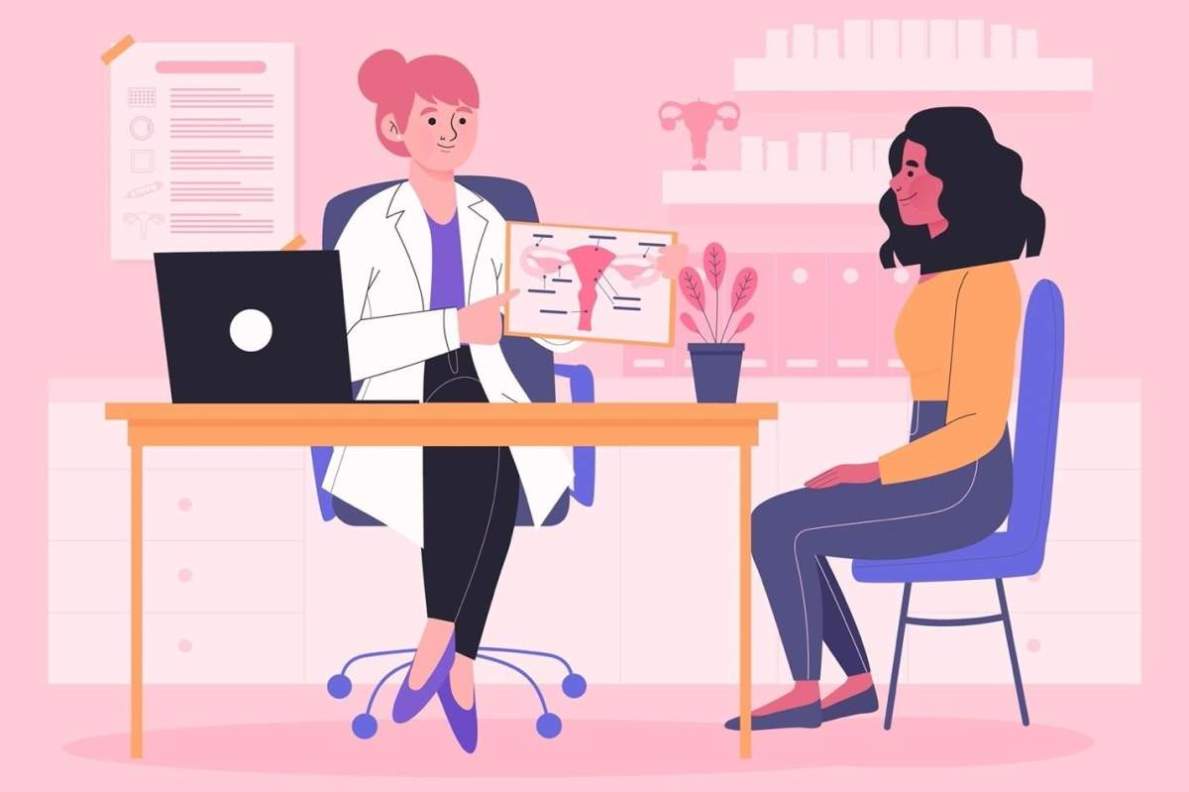
1. Your First Consultation

When: Whenever you are ready to have an appointment

How long: 45 – 60 minutes

First you will have to meet with a doctor at the fertility clinic. The doctor will review your medical history, guide you through the process, and answer any questions you may have about the procedures.

Here are some tips on what questions to ask:  Does the clinic have experience in freezing eggs and, importantly, thawing eggs? How many eggs may be expected from one retrieval? Is there a chance you may need more than one cycle of egg freezing? What is the cost of the procedure? Or you can just ask the doctor to walk you through all the steps for a better understanding about all the procedures. 

Be aware that the answers to some specific questions, such as how many eggs may be expected from your cycle, or how many cycles you will need to get a sufficient number of eggs, may just be an initial estimation, and your doctor will be able to predict and plan more accurately after doing some initial blood tests and a physical examination.

2. Initial Blood Tests and Examination.

When: Day 2 or 3 of your period

How long: 30 minutes

After discussing everything with your doctor, he or she will make an appointment for you to come to the clinic again on day 2 or day 3 of your period, to have blood tests and an ultrasound scan. As mentioned above, after getting the results of these initial blood tests and examination, your doctor will be able to answer more specific questions about your egg freezing process, such as; the cost per retrieval, number of expected eggs, and your overall chance of success.

Should you decide to proceed to treatment, you can start the same day. The doctor or the nurse will help you prepare for “The Ovarian Stimulation and Monitoring Phase”, the stage at which you will receive fertility medications daily, usually injections, to stimulate your ovary to produce many follicles (small sacs of fluid in the ovaries that contains a developing egg), or more simply, to stimulate your ovary to produce as many eggs as possible.

The fertility medications are usually self-administered. The nurse will teach you how to self-administer the fertility shots

Of course, you may decide to wait and start on day 2 or day 3 of a subsequent menses cycle

3. The Ovarian Stimulation and Monitoring Phase

When: Day 2 or 3 of your period

How long: 10 – 12 days

Once you start having fertility shots, which you will take for about 10 to 12 days, you will be asked to revisit the clinic for more blood tests and ultrasound scans every few days to monitor how your ovaries are responding to the fertility drugs. Once the testing shows that your follicles have grown to a size indicating your eggs are mature, your doctor will administer a “trigger shot” or a hormone (usually either human chorionic gonadotropin; hCG, or leuprolide acetate; Lupron) to help complete the egg maturation process, releasing them from the wall of the follicle so that they can be retrieved.

4. Retrieval and Storage

When: 36 hours after the “trigger shot”

How long: 60 minutes

36 hours after your trigger shot, your eggs will be retrieved (egg retrieval, OPU) through a minor surgical procedure to aspirate your follicles, in which a doctor will use ultrasound imaging to guide a thin needle through your pelvic captivity to remove or retrieve your eggs. The procedure will be done under general anesthesia to keep the process comfortable and painless.

Once your doctor has successfully collected all the eggs, you will be sent to the recovery room to recuperate from the anesthesia. After 1-2 hours you will be discharged and advised to continue resting at home.

Just a few hours after retrieval, all of your eggs which are fully matured will be frozen using a process called Vitrification, a technique in which your eggs will be frozen ultra-rapidly, so that the water molecules don’t have time to form ice crystals, and then held in deep frozen storage. This results in a long-lasting, high-quality preservation of your eggs indefinitely, if held in a high-quality and, well-maintained laboratory with consistent, regular quality control and monitoring of the amount of the liquid nitrogen and the integrity of the equipment. At this point, your egg freezing process is considered complete.

Once you are ready to become a mother, at some time in the future, some of your eggs can be thawed, fertilized with your partners sperm, cultured as an embryo in the laboratory, and then transferred to your uterus to implant, develop and grow into a healthy baby, through processes such as IVF or ICSI.

About Superior A.R.T.

Superior A.R.T. was founded in 2007 by a group of leading Thai Infertility specialists in collaboration with Australian world leading fertility and A.R.T. treatment providers,. Superior A.R.T is a renowned fertility clinic offering comprehensive fertility and genetic services by a team of experienced treatment providers and researchers specifically specializing in Assisted Reproduction Technology – A.R.T. Superior A.R.T. is committed to making your dream of having a healthy baby come true.

อ้างอิง

A Simple, Step-by-Step Guide to the IVF Process

In a previous article, we learned about IVF (In Vitro Fertilization), the most popular assisted reproduction option, including  what is IVF, when IVF should be used, how safe is IVF, and how it is done (read our introductory article of IVF here). In this article, we will walk you through the whole procedures once again, but with more essential details to help you understand and better prepare for your visit to our clinic. Can’t wait to start? Let’s begin.

1. Starting Phase

When: Whenever you can get an appointment

How long: 45 – 60 minutes

Starting the procedure, you will have to undergo extensive fertility testing, including an evaluation of your uterus and fallopian tubes, a hormonal evaluation, as well as other tests as may be necessary. The check-up will help your physician better understand your overall physical condition and recommend a treatment plan that most suits you.

In this stage, you will also be informed about everything you need to know about your treatment cycle, shown how to administer your daily injections of hormones at home, and be given instructions about any other medications (patches or pills) you may need during your ovarian stimulation phase.

2. Ovarian Stimulation Phase

When: Day 2 or 3 of your period 

How long: 10 – 12 days

After you have learned and understood what you need to do during your whole IVF cycle, and you have decided to proceed, you will begin the first step of IVF, which is to stimulate your ovaries to produce as many follicles as possible through self-administering hormonal drugs starting on day 2 or day 3 of your period, and proceeding for a further 9-12 days.

Your ovaries can have hundreds-of-thousands of ovarian follicles, with each follicle containing an oocyte (an immature egg). During your menstrual cycle, some of these follicles will begin to develop further and the egg in them become a mature egg. The goal, therefore, is for your ovaries to produce as many follicles as possible, since the more follicles, the higher chance you will be able to find and retrieve high-quality mature eggs.

During this phase, you’ll be asked to come into the clinic every few days for around 10 to 12 days, for more blood tests and ultrasound scans, to monitor how your ovaries are responding to the hormonal drugs. Once the testing shows that your eggs have completed their growth and development, your doctor will administer a “trigger shot”, a hormone (usually either human chorionic gonadotropin; hCG, or leuprolide acetate; Lupron) to help complete the egg maturation process, releasing them from the wall of the follicles, so we can begin the egg retrieval process.

3. Egg Retrieval and Semen Collection

When: 36 hours after the “trigger shot”

How long: 1 – 2 hours

36 hours after your trigger shot, your eggs will be retrieved through a minor surgical procedure to aspirate your follicles. The doctor will use ultrasound imaging to guide a thin needle through your pelvic cavity to remove or retrieve your eggs. The procedure will be done under general anesthesia to keep the process comfortable and painless. The whole process usually takes only 15-20 minutes.

On the same day that your eggs are being retrieved, your partner’s semen will also be collected. Usually, your physician will prefer your male partner to collect his semen fresh at the clinic, but if he cannot come to the clinic on that day, he may collect the semen sample on a day prior to the egg retrieval and have the washed sperm frozen.

Semen collection by masturbation is recommended to avoid contact with any body fluid from the male or the female partner (i.e. saliva, vaginal fluids). These fluids may contain bacteria which could contaminate the fertilization or culture media. After he collects his sample, the male partner will return the sample through a window to a specialist waiting in the Andrology Laboratory which is situated next to the collection room.

The collected semen will be left for about 30 minutes to liquefy, and then washed to remove debris, immobile sperm, and other substances in the semen, before being thoroughly examined for its quality in a process called semen analysis. This semen analysis is important as it will help your physician to best decide if your eggs and your partner’s sperm are to be fertilized by a standard fertilization IVF or an advanced fertilization ICSI method. If the semen sample is normal, the standard fertilization IVF is chosen.  But if the semen analysis results are lower than average, your physician may advise you to choose the second alternative fertilization ICSI technique, as it increases the chance that fertilization will occur. 

For the IVF technique, the eggs and sperm are mixed together and allowed to fertilize on their own in a laboratory dish, whereas for ICSI technique, , a single healthy sperm is specially selected and injected directly into a mature egg to achieve fertilization. ICSI normally takes a longer time and requires an experienced fertility scientist.

Once fertilization occurs, the fertilized eggs are considered as embryos.

4. How Embryo Culture 

When: After fertilization (via standard IVF or ICSI)

How long: 5-6 days

After the eggs and sperm are fertilized and become embryos, they will be cultured for 5 – 6 days in the laboratory until they develop and grow to the blastocyst stage, ready to be transferred into and implant in the lining of your uterus. Embryos which cannot reach the blastocyst stage are basically considered too weak and incompetent, and will not be transferred back to your uterine cavity.

The embryo culture process is very sensitive, and requires expertise and experience from embryologists who know how to both manage environmental conditions and operate advanced technical equipment to maintain a stable environment within the laboratory so that the embryos can grow properly. 

At Superior A.R.T., we use the Geri incubator, the newest generation of time lapse incubator technology available, with a single high quality microscope camera system dedicated to each culture chamber, thus allowing detailed tracking of embryo development without the plate or the embryos having to move. Each chamber is independently controlled and monitored, providing individualized, optimal culture conditions. The use of mini incubators increased the pregnancy rates as embryos had more stable conditions in which to develop.

To learn more about our Blastocyst Culture Technology here.

5. Embryo Transfer

When: After the culture process

How long: 2 to 4 hours

Finally, a selected blastocyst(s) can be transferred to your uterus through a simple and painless procedure where your blastocyst(s) will be loaded in a soft catheter, placed through the cervix and into your uterus under ultrasound guidance, and the blastocyst placed in your uterine cavity. The blastocyst(s) will implant into the uterine wall (endometrium) and begin to develop and grow.

About 7-10 days after the embryo transfer, you can take a blood pregnancy test to find out if you are pregnant. An ultrasound can be performed about 2 weeks after to confirm your pregnancy.

6. Embryo Freezing

When: After the embryo transfer process

How long: 1 to 2 hours

Any good embryos excess to transfer requirements can be frozen using a process called Vitrification, a technique in which your embryos will be frozen ultra-rapidly, so that the water molecules don’t have time to form ice crystals, and then held in deep frozen storage. This results in a long-lasting, high-quality preservation of your embryos indefinitely, if held in a high-quality and, well-maintained laboratory with consistent, regular quality control and monitoring of the amount of the liquid nitrogen and the integrity of the equipment.

These frozen embryos can be used at a later time if you wish to get pregnant again.

AAbout Superior A.R.T.

Superior A.R.T. offers comprehensive fertility and genetic services in state-of-the-art Assisted Reproduction Technology (A.R.T.) Laboratories in Bangkok Thailand. Superior A.R.T. was founded in 2007 by a group of leading Thai Infertility specialists in collaboration with Australian world leading fertility and A.R.T. treatment providers, Superior A.R.T is a renowned fertility clinic offering comprehensive fertility and genetic services by a team of experienced treatment providers and researchers specifically specializing in Assisted Reproduction Technology – A.R.T. Superior A.R.T. is committed to making your dream of having a healthy baby come true. 

References

  • https://www.verywellfamily.com/understanding-ivf-treatment-step-by-step-1960200
  • https://www.urmc.rochester.edu/ob-gyn/fertility-center/services/infertility/ivf/ivf-step-by-step.aspx
  • https://thaisuperiorart.com/assisted-reproductive-technology/ivf-icsi/
  • https://thaisuperiorart.com/assisted-reproductive-technology/semen-collection/
  • https://thaisuperiorart.com/assisted-reproductive-technology/blastocyst-culture/

IUI: The Simple, Affordable, and Proven Treatment Option for Infertility

Today, with advances in Assisted Reproductive Technology, we are fortunate to have a variety of proven fertility treatments available. One of the most common fertility treatments is IUI. This relatively simple technique has helped millions of couples finally overcome their fertility issues, and at an affordable price. But what is it exactly, how does it work, and who does it help? Today, Superior A.R.T. has all the answers.

What is IUI?

IUI, or intrauterine insemination, is a fertility treatment where healthy sperm are placed directly into a woman’s uterus, allowing sperm to more easily reach and fertilize an egg(s), increasing the likelihood of fertilization and conception.

Because IUI is relatively simpler, requiring less advanced technology than other fertility treatments such as IVF or ICSI, it is therefore generally less expensive, less time-consuming, and is often recommended as the first treatment before progressing to other treatments if required.

When is IUI usually used?

IUI is usually used and effective in the following scenarios: 

  • unexplained infertility
  • mild endometriosis
  • issues with the cervix or cervical mucus
  • mild decreased sperm count
  • decreased sperm motility
  • issues with ejaculation or erection

The scenarios in which IUI is not commonly effective and used includes:

  • women with moderate to severe endometriosis
  • women who have had both fallopian tubes removed or have both fallopian tubes blocked
  • women with severe fallopian tube disease
  • women who have had pelvic infection
  • men who have severe decreased sperm count  

All things considered, your doctor will help you determine the best option to help you successfully conceive. Depending on each couple’s condition, sometimes beginning with only IUI is enough, but sometimes one may have to explore more advanced treatments such as IVF or ICSI.

How does IUI work?

At the start of an  IUI cycle, a doctor will prescribe suitable oral or injectable medications to help stimulate your egg production. While on medications, you will receive regular transvaginal ultrasounds and/or blood tests to monitor your egg growth and endometrial thickness. After an egg grows to 18-20 millimeters or more, it will be generally considered as ready or mature, and you will receive an injectable medication known as a “trigger shot” to begin final stages of egg maturation.

36 – 42 hours after your trigger shot, you and your partner will come back to the clinic. If you aren’t using donated sperm, your male partner will provide a semen sample. The sample will immediately be taken to the laboratory and washed to remove debris, immobile sperm, and substances in the semen that can irritate your uterus or kill the egg. It also makes the good sperm more concentrated. After the sperm are ready, a minor surgical procedure for IUI can then begin. Like a routine pelvic exam, you will lie on an exam table, and the sperm will be injected into your uterus through a thin, long flexible soft tube (catheter). Though it may sound painful, the entire process is relatively painless and takes just around 5-10 minutes to complete. After complete IUI procedure, you will take rest 30 minutes before discharged.

About 14 days after the IUI procedure, you can take a pregnancy test at home or at the clinic. The doctor may ask you to come back to the clinic for a blood test to detect the level of the pregnancy hormones.

What are the risks of IUI?

An IUI patient has a very low risk of rare and minor complications including:

  • Infection: The low risk of developing an infection from the IUI procedure is very low since the instruments and the room used are sterilized.
  • Ovarian Hyperstimulation Syndrome: The use of fertility medications to stimulate egg growth causes a woman’s ovaries to become hyperstimulated and enlarged.  Bloating, tenderness, and nausea may occur, and if excessive may cause more severe side effects requiring hospitalization. Fortunately, good clinics monitor your cycle and OHSS is very rare.
  • Multiple pregnancies:  Ovarian stimulation medications increase the likelihood that more than one egg will be released, thereby also increasing the likelihood of having a multiple pregnancy.

Carefully selecting an IUI clinic is therefore important. A prospective IUI clinic should be well-equipped with the latest range of medical equipment and technology, have high-quality, well-maintained laboratories, and be supported by as well a team of credentialed experts. It should also have a good track record of IUI success.

How successful is IUI?

The success rate of IUI can be anywhere between 10 – 15% dependent on various factors including age, underlying fertility concerns, and the treatment plan. Success rates for IUI are likely to decrease significantly in women aged over 40 years old. Direct consultation with your IUI doctor will help you predict your likely IUI success rate and consider whether it is a good option for you.

How many times should one try IUI?

The success rate of IUI tends to increase as more cycles are performed, but it will usually stop increasing, and become typically stable, after the 6th cycle. Generally, most doctors will suggest 3 to 6 cycles of IUI, with the maximum number of 6 cycles.  However, it is up to the patient if they want to try more cycles.

What to do after IUI?

The IUI procedure requires no recovery period or further steps. You don’t have to lie down and can resume normal activities. Doctor may suggest no bathing or swimming for a few days to minimize any risk of infection. The final step is have a pregnancy test.

How much does IUI cost?

The cost of IUI can vary based on your choice of clinic and specific needs, but generally it ranges from ฿10,000 – ฿40,000. This figure is considered low when compared to other more extensive techniques such as IVF or ICSI.

References

  • https://www.healthline.com/health/intrauterine-insemination-iui
  • https://americanpregnancy.org/getting-pregnant/intrauterine-insemination-70967/
  • https://www.facebook.com/Dr.Nisarath/posts/117719710391210
  • https://www.facebook.com/Dr.Nisarath/posts/118410980322083
  • https://www.mayoclinic.org/tests-procedures/intrauterine-insemination/about/pac-20384722#:~:text=Intrauterine%20insemination%20(%20IUI%20)%20%E2%80%94%20a,more%20eggs%20to%20be%20fertilized

All You Need to Know about Egg freezing

These days many women delay having families. They may not be in a committed relationship and ready to marry, they may want to pursue a career first, and they don’t feel totally ready to have a family. However, as women age, their egg quality declines resulting in fertility issues. Egg freezing has become a perfect solution for those women who want to preserve their eggs at a younger reproductive age, for later use.

But what exactly is egg freezing? What are the details one should know? Today, Superior A.R.T has all the answers.

What is egg freezing?

Oocyte cryopreservation, commonly referred to as egg freezing, is a method to maintain the supply of quality female eggs by freezing unfertilized eggs and storing them for future use. It is like freezing time, stopping egg deterioration as women age, storing the “younger” eggs for future use. The frozen eggs can then be used when the woman is ready to get pregnant, using assisted reproductive technologies such as ICSI or IVF where eggs and sperm are externally fertilized. The fertilized eggs (or embryos) are allowed to develop and then placed into a woman’s uterus to further develop and grow into a lovely baby.

Who should consider egg freezing?

The circumstances where a woman may consider egg freezing include;

  • Those who are not ready now, but plan to have children in the future.
  • Those who are yet to meet the right partner, but plan to have children in the future.
  • Women about to receive radiation and/or chemotherapy for cancer; such treatments can harm the eggs or induce ovarian failure.
  • Women with certain diseases (eg. ovarian cancer, cyst) that can cause premature ovarian failure.
  • Women with a history of ovarian surgery.
  • Women with genetic problems that accelerate the deterioration of the ovaries.
  • Women who are predisposed to early menopause.
  • Women undergoing in vitro fertilization and desire to store some unfertilized eggs for future use. 

How does egg-freezing work?

The egg freezing process commonly comprises three steps:

1. Ovarian Stimulation

Starting on the 2nd or 3rd day of a woman’s menstrual cycle, she will meet with her doctor to receive blood tests and an ultrasound. If the results of the tests are positive for potential success, the doctor will prescribe medicines to stimulate the woman’s ovarian follicles. Each follicle contains an egg, so it is basically stimulating egg production. This stimulation is an injection every day for 10-14 days. The woman will have a doctor consult every 3-4 days for further blood tests​  and transvaginal ultrasound to check her ovaries and follicle growth. Once the follicles are of a suitable size, the woman will receive a “trigger shot”, an injectable medication to complete the eggs maturity.  About 36 hours after the trigger shot, the doctor shall perform the egg retrieval.

2. Egg Retrieval

About 36 hours after the trigger shot, the doctor will sedate the woman, in order  to keep the process comfortable and painless, and using ultrasound imaging will guide a thin needle into the pelvic captivity and retrieve the eggs from the ovarian follicles.

3. Freezing

After the egg retrieval, the eggs will be specially washed, assessed, and the mature eggs will be frozen using a method called “vitrification”. This involves placing the eggs on a special device, freezing with ultra-rapid cooling technology, loading the device into a “straw”, and preserving the frozen eggs in liquid nitrogen until required in the future.

How safe is egg freezing for the eggs?

After being vitrified, a process that ultra-cools the eggs rapidly to stop any ice forming and harming the eggs, the eggs are stored in liquid nitrogen at less than -196 ºC. In theory the eggs can be stored indefinitely if held in a high-quality, well-maintained laboratory with consistent and regular quality control and monitoring of the liquid nitrogen and equipment, thus ensuring that the eggs remain in the same good condition. Nevertheless, it is important to note that pregnancy later in life will depend on several factors, such as the age of the eggs at the time of freezing, the age of the woman at the time of embryo transfer, the medical histories of the female and male partners, and the quality of the sperm.

How safe is egg freezing for the woman?

Although ovarian stimulation and egg retrieval are relatively safe procedures, no medical treatment is without risks. The processes of ovarian stimulation and egg retrieval can induce complications such as Ovarian Hyperstimulation Syndrome (OHSS), bloating and stomachaches, internal bleeding after egg retrieval, weight gain, and mood swings. The complications are typically minor and non-life-threatening, and a good doctor and clinic will monitor the cycles closely to minimize or avoid such complications.

What is the success rate of egg freezing?

The chances of becoming pregnant after egg freezing, thaw, fertilization and embryo transfer, depends on the number of retrieved eggs, the age of the woman at the time of egg retrieval (the recommended age is 20-35 years), the quality of sperm, as well as the quality of the freezing and thawing technique. Using the current vitrification techniques, 90–95% of frozen eggs can be successfully thawed.

The number of eggs retrieved per stimulation cycle will vary based on the age of the woman, her basal antral follicle count, and her hormone profile. For women who are younger than 35 years old, the number of mature eggs retrieved is typically about 10 to 15 eggs per one cycle, with this number usually decreasing when older than 35. The average chance of a pregnancy is about 7% per mature egg frozen.

As mentioned, a successful pregnancy using frozen eggs is not guaranteed, it is not 100%. Similar to getting pregnant naturally, successfully getting pregnant depends on various physical and genetic factors of both the female and male partners. The egg freezing technique is a process to preserve and store good-quality eggs, to preserve the potential of a pregnancy in the future.

References

  • เพจ Unlock สารพันเรื่องมีลูกยาก by หมอนิ
  • รู้จักการฝากไข่ แช่แข็งไข่ ทางออกของคนอยากมีลูกแต่ยังไม่พร้อม
  • Egg Freezing
  • https://www.uclahealth.org/obgyn/egg-freezing
  • https://www.bangkokbiznews.com/news/detail/910167
  • https://www.sanook.com/women/168141/
  • https://workpointtoday.com/egg-freezing/
  • https://vogue.co.th/beauty/bdmseggfreezing
  • https://today.line.me/th/v2/article/r9EMMX

What You Need to Know About In-Vitro-Fertilization (IVF)

In Vitro Fertilization (IVF) is a proven and effective infertility treatment. Because of its long record of success and well-earned reputation, the method is often the first option that comes to mind when a person or a couple is facing any infertility issue. But what is IVF exactly? And what should ‘parents-to-be’ know first about IVF? Today, Superior A.R.T. has the answers.

What is IVF?

In Vitro Fertilization, more commonly referred to as IVF, is a method to help people who are unable to conceive naturally (internal fertilization) to be able to have a baby safely via external fertilization. In this assisted reproductive technique, a doctor will collect a woman’s eggs from her ovaries, before bringing them to be fertilized, with sperm retrieved from the man, in a laboratory dish. Once the eggs are fertilized, they will be grown to become good quality embryos. Then doctor will then transfer some of them back into the woman’s uterus, with the hope that at least one of them will be able to implant and grow to become a fetus.

When is In Vitro Fertilization (IVF) usually used?

The conditions most often leading to IVF includes:

  • Where a woman suffers from pelvic adhesions,
  • Where a woman suffers from chocolate cysts,
  • Where a woman suffers from blocked or damaged fallopian tubes,
  • Where a woman suffers from ovulation disorders due to some general or personal medical conditions,
  • Where a man suffers from infertility issues such as a low sperm count, low sperm motility, abnormal sperm morphology, etc.

How is In Vitro Fertilization (IVF) done?

The IVF process essentially comprises four steps as follows:

1. Stimulate egg production

In the first step, on the second or third day of your period, your doctor will prescribe injectable medications to stimulate your egg production. If your ovaries produce too few eggs, the doctor may add further suitable fertility medications to help the follicles (each containing an egg) on your ovaries to grow. However, before the stimulation a doctor will check first whether your body is ready. This is done through monitoring your hormone levels via blood tests, and by checking your ovaries via ultrasounds. If everything shows good signs, then the stimulation can begin. You will be given a single dose of injection every day for 8-12 days. What kind of injectable medications you will receive depends on your hormone levels, your numbers of potential eggs, and your medical history of infertility treatment (if any).  After 8-12 days, the follicles on the ovaries, each follicle contains an egg, will normally grow to 18-20 millimeters and be ready to be harvested and eggs retrieved. To retrieve all of your eggs, your doctor will also usually prescribe another injectable medication, known as a trigger shot, to make your ovaries and eggs ready for the retrieval process.

2. Retrieve eggs and sperm

36 hours after your trigger shot, your eggs will be retrieved through a minor surgical procedure, in which a doctor will use ultrasound imaging to guide a thin needle through your pelvic caivity to remove or retrieve your eggs. If it sounds painful don’t worry, as you will be sedated, given pain medications, and the whole process usually only takes 15-20 minutes.

Around the same time as your eggs are being retrieved, your partner’s sperm will also be collected. Then, the eggs and sperm will be mixed together, and allowed to fertilize on their own in a laboratory dish.

However, before this fertilization process can begin it is important to check the sperm by semen analysis to see if they are qualified. Good quality sperm must show signs of good sperm concentration (number), good sperm motility (strength), and normal sperm morphology (shape). This semen analysis is important because in IVF a sperm must be strong and healthy enough to swim to meet an egg and then, after it meets an egg, penetrate through an eggs wall to fertilize the egg.

If the quality or number of semen is below standard, the egg  and sperm may be fertilized via an alternative fertilization process called ICSI. In ICSI, instead of letting the eggs and sperms fertilize on their own in a laboratory dish as in IVF, healthy sperm are specially selected and a single sperm is injected into each mature egg to achieve fertilization. Because you can inject only one egg at a time, and the egg is prone to damage, ICSI normally takes a longer time and requires an experienced fertility scientist.

Once fertilization occurs, the fertilized eggs are considered embryos.

3. Finding the perfect embryos

After the eggs and sperm are fertilized and become embryos, they will be cultured for 5 – 6 days in the laboratory so that some will grow and survive to the blastocyst stage, ready to be implanted in the lining of your uterus. Those that cannot become blastocysts are considered basically too weak and incompetent, and will not be transferred back to your uterine cavity.

4. Transferring the embryos

Finally, following the embryo culture process, and after your uterus is ready, blastocyst embryos will be transferred into your uterus. We then wait for about 10-11 days, hoping one of them shall be strong enough to implant in your uterus and begin to develop as a fetus, before doing a pregnancy test.

How many embryos will be transferred?

A woman’s physical condition and the quality of embryos will determine how many embryos can be transferred. Only one embryo, for example, can be enough if that embryo has been genetically tested and shows all the signs of good quality and success, as advised by our scientists and doctor.  To reduce the risks and problems associated with multiple pregnancies, usually no more than two embryos will be transferred

How safe is In Vitro Fertilization (IVF)?

In Vitro Fertilization is considered a safe medical procedure but, like all medical procedures, there are risks and in a few cases complications may occur. Complications during the treatment, and in any subsequent pregnancy, can include Ovarian Hyperstimulation Syndrome (OHSS), internal bleeding or infection after egg retrieval, multiple pregnancies, birth defects, and miscarriage. It is therefore important that you carefully select an IVF clinic with a good reputation and excellent medical staff.  A good doctor will be able to provide an IVF treatment that is suitable for each individual’s physical conditions and reduces the risk of complications.

How successful is In Vitro Fertilization (IVF)?

Globally the success rate of In Vitro Fertilization will vary widely between clinics from below 40% to as high as 70%+. Again it is important to select a good clinic. In addition, success rates will vary between women, based mainly on their reproductive history, age, and the cause of infertility. As well, lifestyle factors such as smoking, obesity, stress, etc. may contribute to a reduced success rate. While younger women are generally more successful with IVF, increasingly there are many successful cases with patients of more advanced maternal age.  The earlier you seek a direct consultation with an experienced IVF doctor, the greater your chance of success. The doctor will also be able to assess your fertility potential and give you a more precise and accurate indication of your potential success rate following IVF treatment.

About Superior A.R.T.

Superior A.R.T.was founded in 2007 by a group of leading Thai Infertility specialists in collaboration with Australian world leading fertility and A.R.T. treatment providers, Superior A.R.T is a renowned fertility clinic offering comprehensive fertility and genetic services by a team of experienced treatment providers and researchers specifically specializing in Assisted Reproduction Technology –  A.R.T. Superior A.R.T. is committed to making your dream of having a healthy baby come true.  

References